















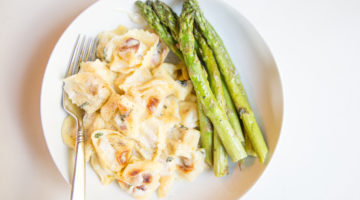







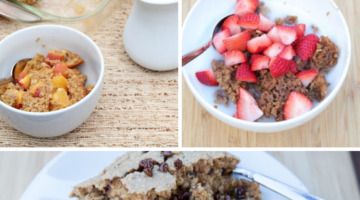


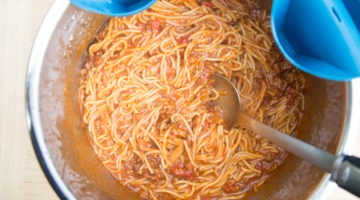



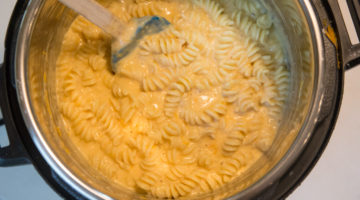

























Budget Dinner Recipes for Your Meal Plan Inspiration In this series, I'll share the list of ultra budget dinner recipes along with any helpful tips and tricks with you. I will post the recipe links here on the blog, as well as share a short recap video with more details on Instagram, TikTok, and Facebook. The idea here is simple: give you budget dinner recipes to feed … [Read more...]
NEW COOKBOOKS: Feeding Teenage Boys on a Budget + Teen Cuisine

Introducing Erin Chase's latest cookbook about feeding teenagers on a budget, plus the companion mini-cookbook that will teach your teens how to cook scrumptious recipes with "Shorts" videos! The idea for this cookbook came to me about 15 years ago...in a booth at a lunch in NYC with my cookbook editor. And the time to share it with you is now... So, yes...this is … [Read more...]
CHALLENGE: 5-Ingredient Freezer Meal Plan
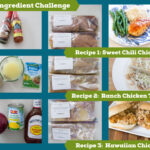
How to prepare SIX meals in LESS THAN 30 MINUTES with this 5-Ingredient Meal Plan! I don't know about you, but it makes my heart happy when a recipe only needs a handful of ingredients. And when they are "normal" ingredients, too! You know what I'm talking about. Ingredients you often have in your kitchen, and are commonly found at a typical grocery store. So I made a … [Read more...]
Erin’s Recipes from Big Bad Budget Battle

Get the Recipes Erin Cooked on Food Network's Big Bad Budget Battle WELCOME to my Big Bad Budget Battle Besties! I'm so glad you're here and I can't wait to connect with you and further help you on your journey to spending less money on groceries and cooking well on a budget. I am beyond tickled by the concept of the show, the opportunity to compete on the show, and … [Read more...]
RE-DESIGNED for YOU: The “20 Meals for $150” Plans

Save TIME, MONEY, and MORE with these amazing 20 Meals for $150 Plans! ELATED. ECSTATIC. STOKED. That describes how I'm feeling this week, as I re-share this amazing grocery saving and sanity saving resource with you! Many moons ago, I decided to make some updates to the "20 meals for $150" plans. I started creating them in 2013, and it was just time for a … [Read more...]
The Best Ever Make-Ahead Freezer Meals Cookbooks!
If you love getting ahead with dinner prep, and you love cookbooks, these Make-Ahead Freezer Meal Cookbooks are the books for YOU! The Freezer Meal Stereotype Often times when people think of freezer meals, they think of mushy casseroles. Or slow-cooker-only recipes. Or bland, tasteless, freezer burned meals. It is also the assumption that these bland, mushy … [Read more...]
Rhubarb Crisp

Easy Rhubarb Crisp with Vanilla Ice Cream: A Simple Summer Dessert the Whole Family Will Love I have been waiting for rhubarb to be back in stock at my store to make this for you! There's something so nostalgic about a warm rhubarb crisp bubbling out of the oven on an early summer evening! The sweet-tart smell fills the whole house and the boys start asking when they get to … [Read more...]
Slow Cooker Spicy Mango Chicken

Slow Cooker Spicy Mango Chicken: A Sweet, Spicy Dinner the Whole Family Will Love If you love the idea of a dinner that basically makes itself, this Slow Cooker Spicy Mango Chicken is about to become your new best friend. The sweet tropical flavor of mango pairs perfectly with a little kick of heat, creating a sauce so good you'll want to lick the spoon. Best of all, it … [Read more...]
Banana Chocolate Chip Baked Oatmeal
Banana Mini Chocolate Chip Baked Oatmeal - Easy, Freezer-Friendly Breakfast! If you've got a few ripe bananas sitting on your counter, this is exactly the recipe you need! This Banana Chocolate Chip Baked Oatmeal is one of those breakfasts that feels like a treat but is secretly wholesome enough to feel good about serving your family every single week. It's warm, lightly … [Read more...]
Roasted Red Pepper Pasta

Creamy Roasted Red Pepper Pasta - Ready in 30 Minutes! If you're looking for a weeknight dinner that feels a little fancy but won't break the bank, this creamy roasted red pepper pasta is about to become your new best friend. The sauce is silky, smoky, and so deeply flavorful that nobody at the table will believe it came together in just 30 minutes. Best of all, this … [Read more...]
Lemon Pretzel Bars

Lemon Pretzel Salad: The Dessert That's Totally Lying About Being a Salad! Listen, I don't make the rules...but I do know that if there's cream cheese, whipped topping, and a buttery pretzel crust involved, we are NOT in salad territory anymore. Somehow, generations of home cooks decided that anything served in a 9x13-inch dish with some fruit on top earned the title of … [Read more...]
Air Fryer Cheesy Toast

Air Fryer Cheesy Toast – The Easiest 1-Minute Side Dish You'll Make on Repeat My boys ask for this at least once a week - and I always say yes because it's easy to make a gluten free version too! If you've ever needed a quick side dish that feels a little fancy without any extra effort, this Air Fryer Cheesy Toast is about to become your new best friend. In just 1 … [Read more...]
Sloppy Joe Pasta Bake

Sloppy Joe Pasta Bake: The Hearty Weeknight Dinner Your Family Will Actually Request If you love everything about a classic sloppy joe...that sweet, tangy, saucy meat mixture piled high on a bun... wait until you try it baked into a big, bubbly pasta casserole. This Sloppy Joe Pasta Bake takes all the nostalgic flavors you grew up with and turns them into a filling, crowd … [Read more...]
Mississippi Sloppy Joes

Messy, Melty, Mississippi Sloppy Joes: Your New Family Favorite? Meet your new favorite weeknight sandwich. These Mississippi Sloppy Joes pile tangy banana peppers and gooey provolone on top of a rich, savory meat sauce that's anything but ordinary. Fair warning: these are called sloppy for a reason...so grab extra napkins. You can easily make these gluten-free with a … [Read more...]
Ground Chicken Gyros

Ground Chicken Gyros: An Easy Homemade Mediterranean Dinner the Whole Family Will Love All the bold, satisfying flavors of your favorite Greek restaurant are closer than you think — and this Ground Chicken Gyros recipe proves you don't need a vertical rotisserie to pull it off at home. Seasoned with a fragrant blend of Mediterranean spices and lemon juice, the ground … [Read more...]